Light Controls the Circadian Rhythm
All important bodily functions run rhythmically. The most perceptible of these is the circadian rhythm, which is based on day and night and covers a period of about 24 hours. The circadian rhythm of the human body is controlled by daylight. This insight is relatively recent. Just 20 years ago, in 2002, scientists discovered a third photoreceptor in the human eye that is not responsible for vision. Previously, only two receptors were known: cones, which enable colour vision, and rods, which ensure that we can see even in low brightness. The third receptor, on the other hand, reacts to blue components in light, has a direct connection to the brain and controls many processes in the body.
Office Lighting - What Needs to be Considered?
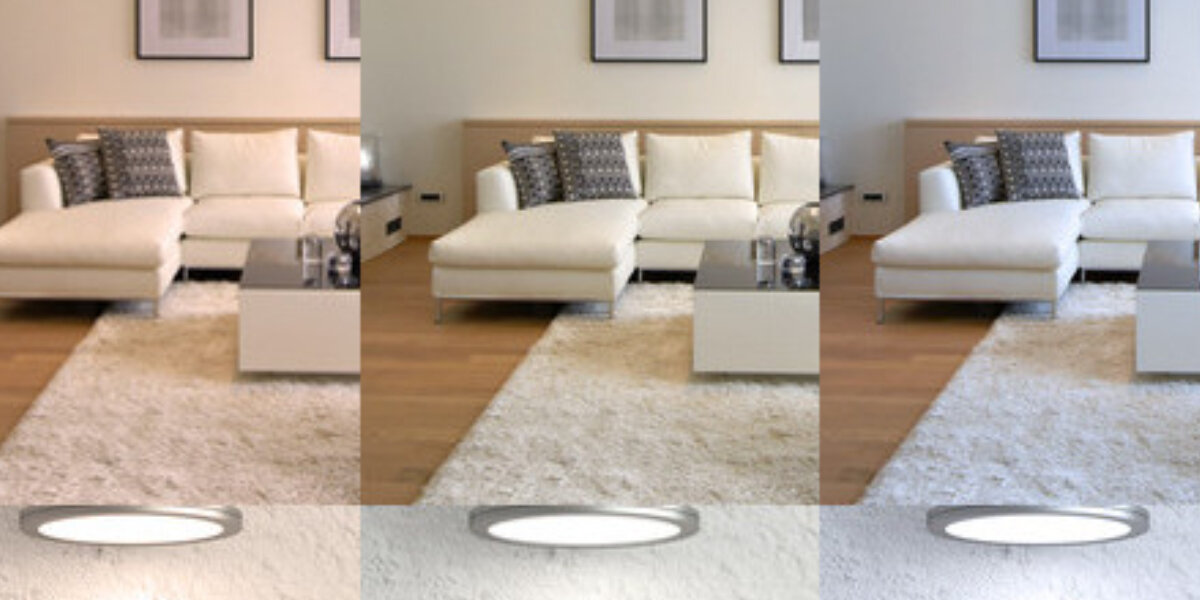
Daylight controls the human body, it stimulates hormone production and influences whether we feel awake or tired. So the lighting at the workplace should not only be bright; ideally, it should also have a natural light colour and thus simulates daylight. Ordinary artificial lighting primarily produces brightness but does not reflect the full light spectrum. Daylight spectrum lamps, on the other hand, also produce ultraviolet and infrared rays and, as numerous studies have shown, can help increase concentration and reduce sick days. At least some of the office luminaires should therefore ideally be equipped with special lamps that imitate natural daylight.
How much light does a workspace need? On the desk itself, illuminance should be around 500 lux; this is not necessary for the whole room. Large contrasts between light and dark should be avoided because they tire the eyes and, in the long run, place too much strain on one side. Uniformly bright ambient lighting is therefore advantageous. This should be supplemented by desk lamps or floor lamps at the workplace so that everything there can be seen in detail. Caution: Reflections of the lighting on the monitor must not occur! Wall lighting can give the room a more lively feeling.