

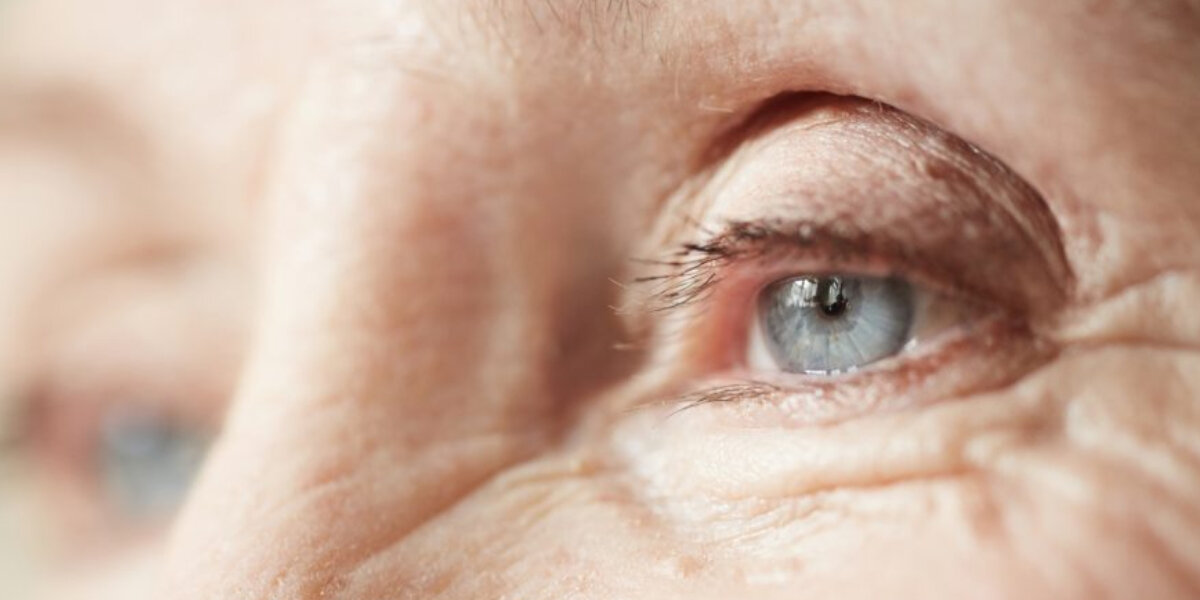
Night Vision and Day Vision - the Differences
The human eye works differently during the day than at night. Find out how day and night vision differ and what dark adaptation is.

Spectral Colours: The Visible Colour Impression
What are spectral colours? How are spectral colours created? How does the decomposition of light work?

RGB colour spaces: Different shades of colour
We explain how RGB colour spaces help to make use of the countless colours and create many nuances from a few basic colours.
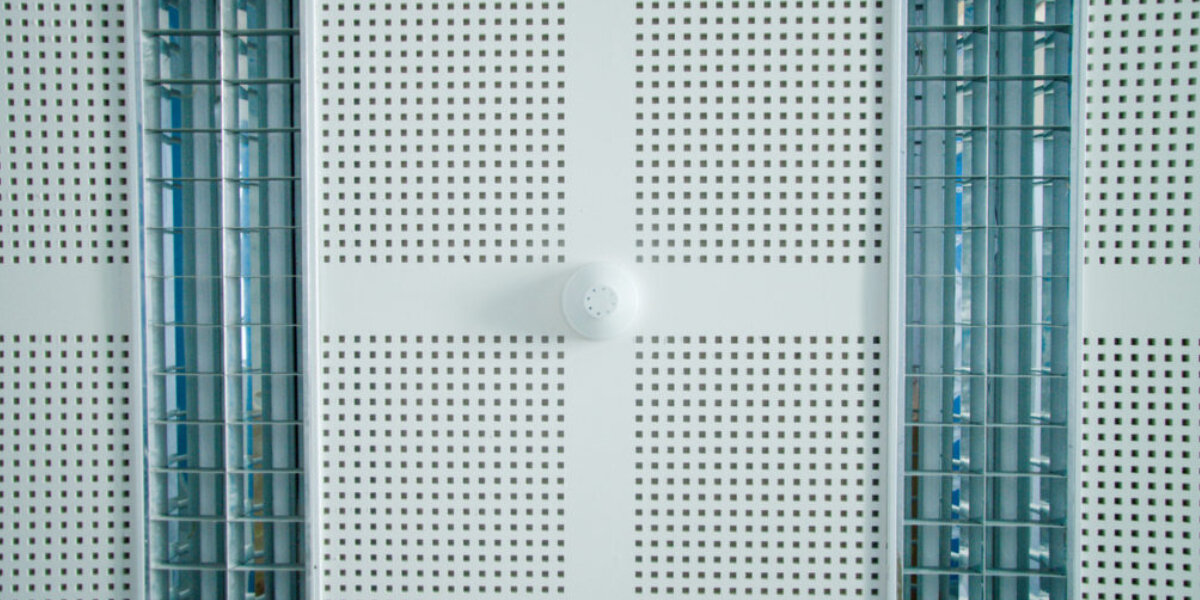
Troffer Lights - What are They and What are the Advantages of Grid Lighting?
What exactly are troffer lights, where are they used and why are they so popular in public facilities?
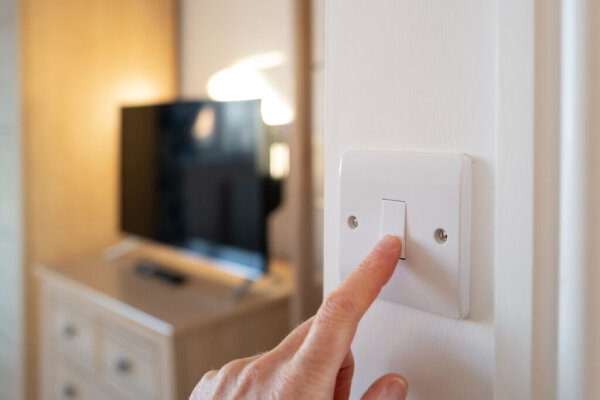
Does a Lamp Consume Electricity when it is off?
Are switched-off lamps secret power guzzlers in your home? We'll tell you!

Dimmer: Flexible Adjustment of the Brightness of Lamps
Economical and variable: lights with dimmers! Find out how to adjust the brightness of lamps here!
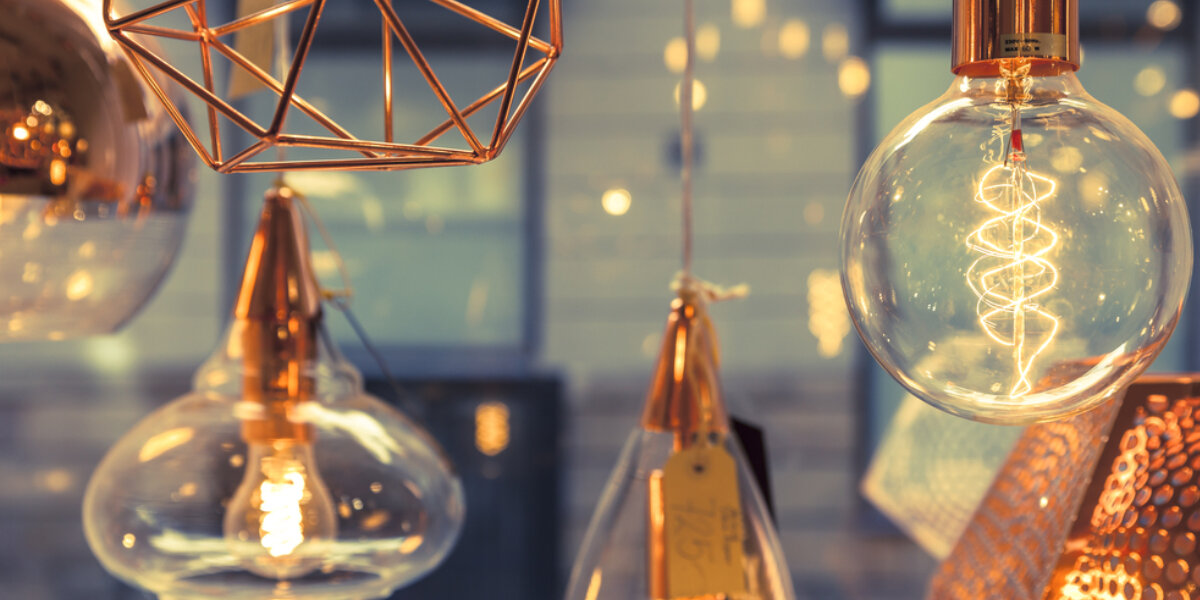
Luminous Efficacy: The Ratio Between Lumens and Watts
Different types of bulbs produce very different brightness despite having the same wattage: How high is the luminous efficacy of common light sources?
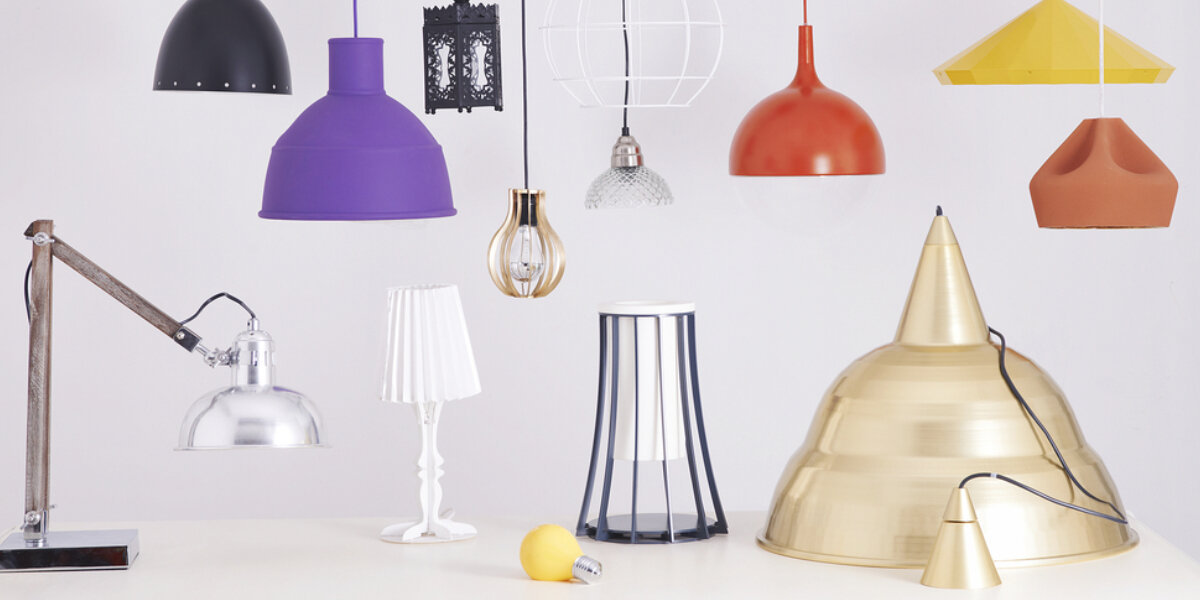
Lighting Designs From the Past to the Present: a Brief History of Style
The main trends in light design at a glance: Get to know & understand the most important terms from the history of lamp design.
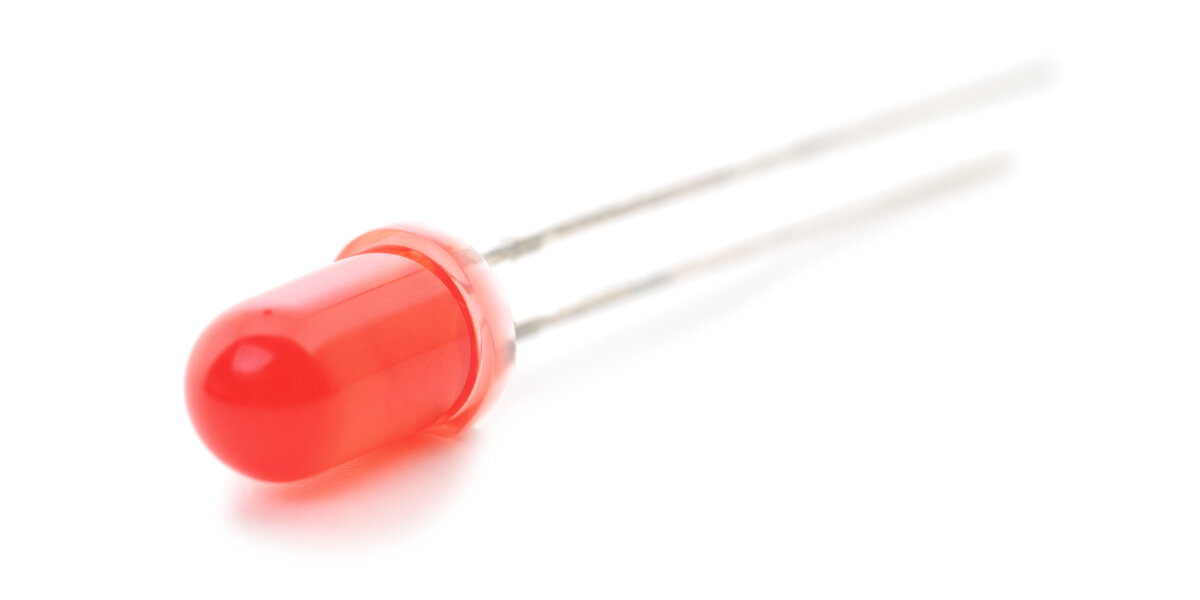
Light-emitting Diode: Structure and Function
How does a light-emitting diode work? The most important information on structure, function and applications can be found here!
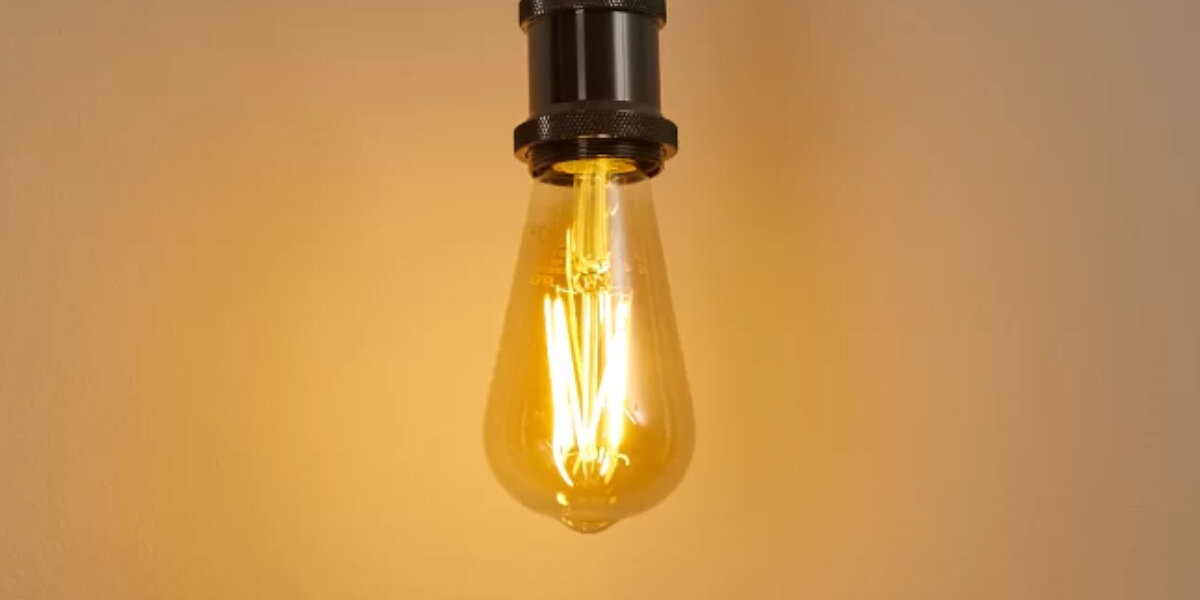
Lumen: A Unit for Luminous Flux
What does lumen actually mean? Find out here how you can estimate the brightness of lights based on their lumen rating & how many lumens you need.
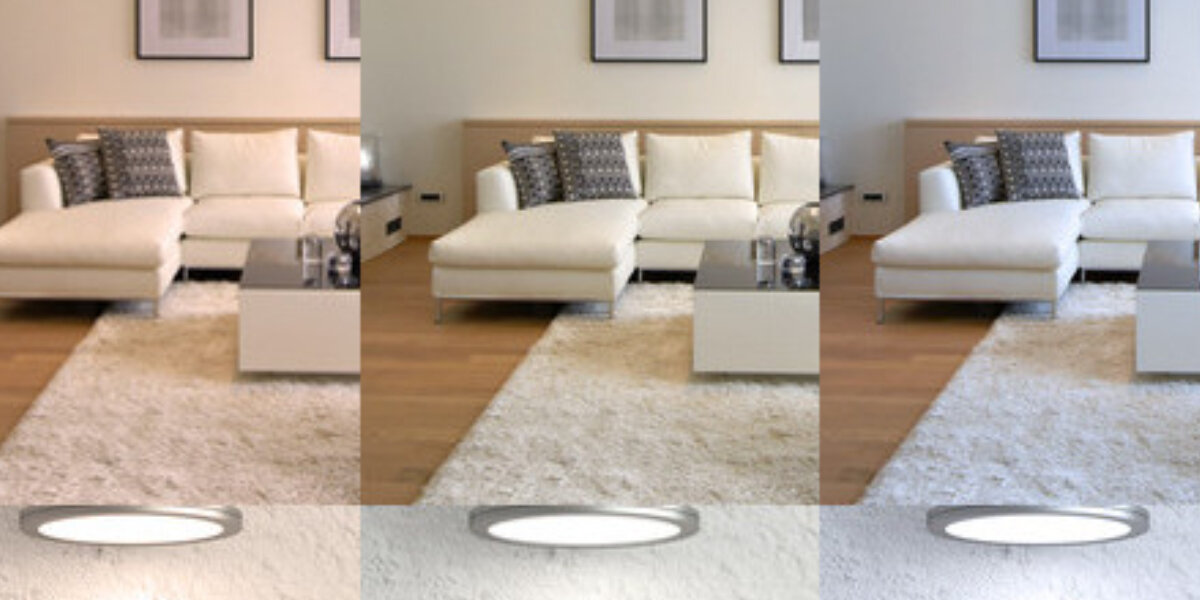
The Light Colours: Warm White, Neutral White and Daylight White
Learn more about white light colours and how they are divided into three ranges: warm white light, neutral white light and daylight white light.
Illuminance: What Does It Mean?
What is illuminance and what role does it play in planning and implementing a successful lighting concept?